



What's up North™, Charlie Nardozzi – How to Stop Deer Browsing in the Northeast
Deer damage is prevalent across the Northeast especially after a long winter. Let’s talk about deer controls and dwarf flowering shrubs that they are less likely to browse.

How to Stop Deer Browsing in the Northeast
There is nothing more frustrating than looking out at your yard in the morning and realizing deer have been munching on your favorite flowering shrubs overnight. This is particularly a problem for small statured shrubs that don't have lots of reserves to bounce back.
Deer damage is prevalent across the United States, but in the North it is particularly problematic in the spring. Deer are hungry after a long winter and are looking for some tasty snacks. So, let's talk about a few deer control options and a few dwarf flowering shrubs I recommend that they are less likely to browse.
Deer Control Options
The only sure thing for deer control is a tall fence. The gold standard is an eight to nine foot tall fence – any shorter and they can jump it. Deer are incredible athletes! However, if you don’t want your yard to feel like a fortress, there are some other fencing options.
Deer don’t like to jump over wide expanses or into a spot where they cannot see a clear way to get out. Some gardeners have had success installing two lower fences running parallel to one another four to five feet apart. Most deer are not comfortable jumping into the middle between the two fences and can’t jump over both at once. Alternatively, electric fences can also work well but should be used with caution if you have pets or small children.
Deer are habitual animals and tend to use the same paths over and over again. Notice where they tend to enter and exit your yard over time. I’ve done so and had success running fishing line across the path. They can’t see the line but sense something is there and avoid the path. That is, until they make a new one!
Deer repellent sprays can work well to deter browsing if you use scent-based sprays like Plantskydd® and Liquid Fence® animal repellents. You may need to rotate a few different kinds of sprays so the deer don’t get used to the scent. Some sprays wash off in heavy rains and need to be reapplied. You will also need to reapply as your plants grow to protect the tender new shoots.
Deer Resistant Shrub Recommendations for the Northeast
If hungry enough, deer will eat any plant. However, those in Proven Winners’ Deer Proof™ plant line tend to be the most resistant to deer browsing. I have some other dwarf flowering shrubs I recommend for the Northeast as well. Let’s take a look.

Interstella® lily of the valley shrub (Pieris japonica)
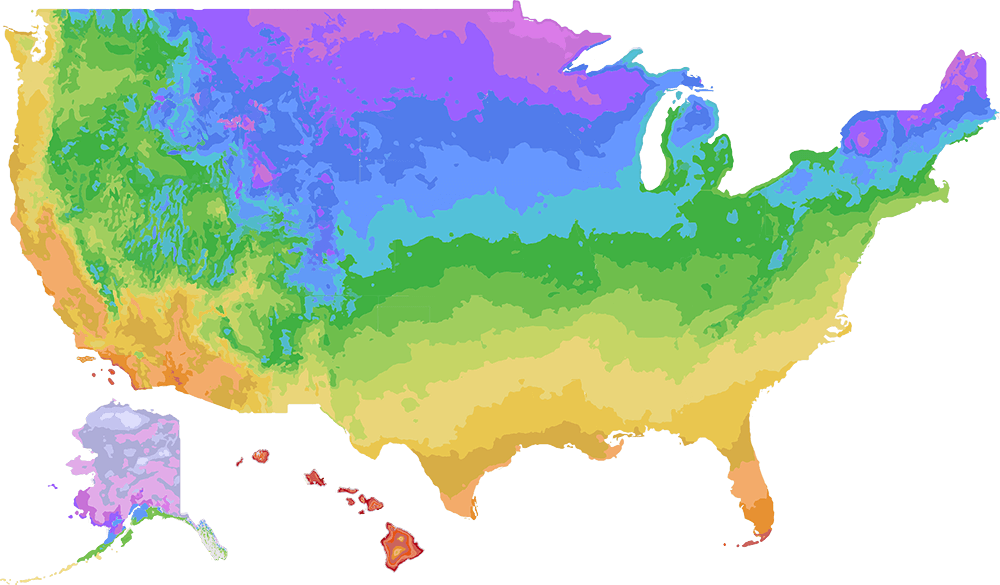
Deer generally avoid plants with leaves and flowers that have a strong smell or bitter taste. Interstella is a shade tolerant, broadleaf evergreen shrub that blooms with red flowers instead of the typical white. Its bitter-tasting leaves aren’t favored by deer. Zones 5-8, 3-4’ tall x 3-4’ spread, grows in sun and shade.

Scentlandia® sweetspire (Itea virginica)
Here’s another excellent dwarf flowering shrub with bitter-tasting foliage. This native shrub also thrives in part shade and tolerates wet soils. Its flower buds are hardier than most sweetspire varieties, which makes it particularly good for the Northeast, and its flowers are more fragrant, too. A bonus is its brightly colored fall foliage. Zones 5-9, 2-3’ tall x 2-3’ spread, grows in sun and shade.

Sunshine Blue® II bluebeard (Caryopteris incana)
Foliage with a eucalyptus-like smell keeps deer away from this unique shrub. It blooms late in the summer and on into fall with bright blue flowers that are attractive to pollinators. Vivid gold foliage keeps things interesting all season. This improved variety has better cold tolerance than earlier versions, so it will survive Northeast winters more reliably. Zones 5-9, 2-3’ tall x 2-3’ spread, grows in full sun.

Happy Face Hearts® potentilla (Potentilla fruticosa)
Deer tend to avoid plants with prickly, fuzzy or leathery leaves. This long-blooming, dwarf shrub has small, fuzzy, bright green leaves that deer don’t like. It’s a hardy, low maintenance option, especially if you are dealing with drought or salty soils. Pink flowers cover this plant from spring until frost in the Northeast. Zones 2-7, 1-2’ tall x 1-2’ spread, grows in full sun to part sun. See more Happy Face® potentilla varieties.

Double Play Big Bang® spirea (Spiraea)
Another dwarf shrub with fuzzy textured leaves that deer dislike is spirea. One of my favorites is Double Play Big Bang® which has a neat shape, large, bright pink flowers and extra-colorful, orange-red new growth that brightens to chartreuse. Zones 3-8, 2-3’ tall x 2-3’ spread, grows in full sun to part sun. See more Double Play® spirea varieties.

Berry Poppins® winterberry (Ilex verticillata)
Deer find the leathery, scratchy leaves of winterberry too tough to eat, so they tend to leave them alone. One dwarf selection I like is Berry Poppins® which grows about half as tall as the native species. This deciduous holly tolerates wet conditions and provides outstanding fall and winter interest with its bright red berries. Just be sure to plant a male pollinating winterberry like Mr. Poppins® within 50 feet of Berry Poppins so you are sure to get the fruit. Zones 3-9, 3-4’ tall x 3-4’ spread, grows in full sun to part sun.
Go further: