




5 Native Plants for Birds
Turning your backyard into a thriving sanctuary is easier than you think when you choose the right bird friendly native plants. By incorporating these species into your landscape, you provide a critical backyard bird habitat that offers high-energy seeds, berries, and essential insect life. Whether you are new to wildlife gardening or looking to expand your collection, these five native plants for birds will attract a diverse range of species. From year-round shelter to seasonal nesting sites, they will ensure your feathered visitors have everything they need.
One of the greatest joys in gardening is observing the fauna that shares your garden with you. You are probably already attuned to the pollinating bees, butterflies and hummingbirds. However, there are many other critters that may call your garden home (or at least come to visit from time to time.) Let's take a closer look at five plants that can help you welcome all sorts of birds, including our beloved hummingbirds, to your little piece of paradise.
Below, you will find five North American native cultivars you could be growing to support your local bird population. Some provide food while others make a safe place to shelter and nest. Remember to supply fresh water too if you'd like the birds to stick around.
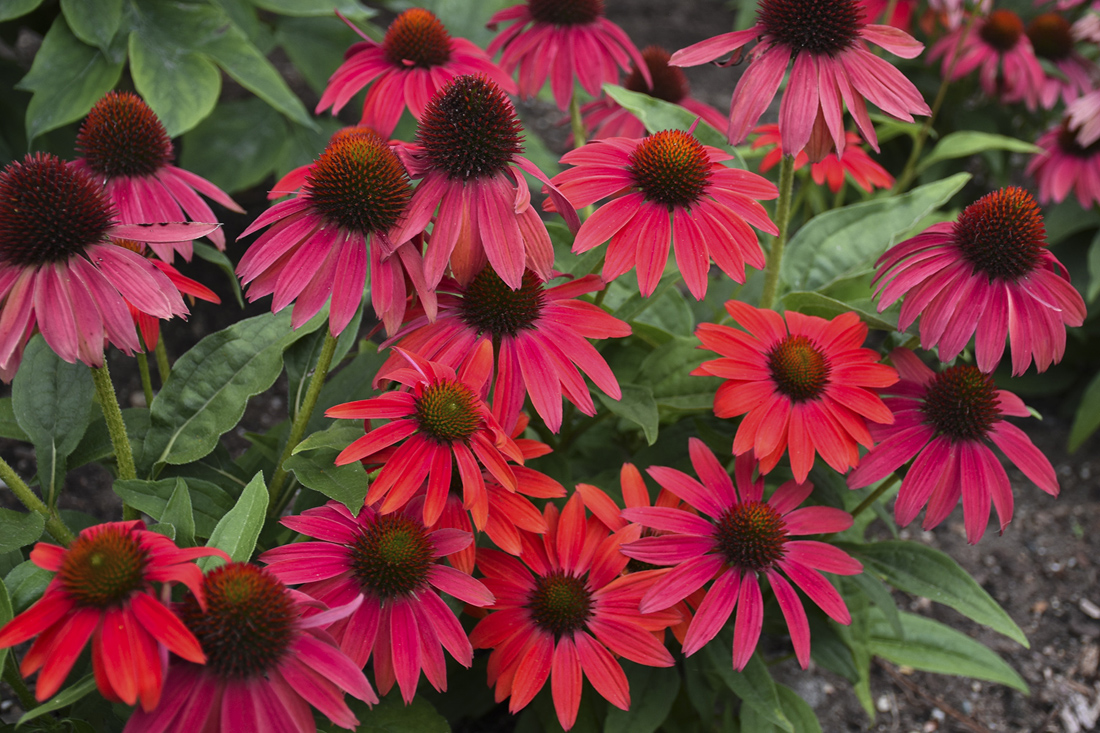
| Coneflower (Echinacea)There are several different native species of coneflowers in North America. Plant breeders have crossed many of them the come up with brightly colored selections like those you'll find in the Color Coded® and Summersong® series. Their large, fragrant blossoms are popular among butterflies and bees. Once the flower petals fade, goldfinches and other songbirds move in to feast on all the seeds packed into those spiny cones. Since Echinacea stems are thick and sturdy, they can easily handle the weight of the birds. Leave your coneflower’s seed heads standing at the end of the season to provide an early winter food source for birds. Echinacea grows best in full sun but will also flower in part sun. Most are hardy in zones 4-8. Well-drained soil is important, especially in winter, as plants that sit wet for too long can easily rot. |
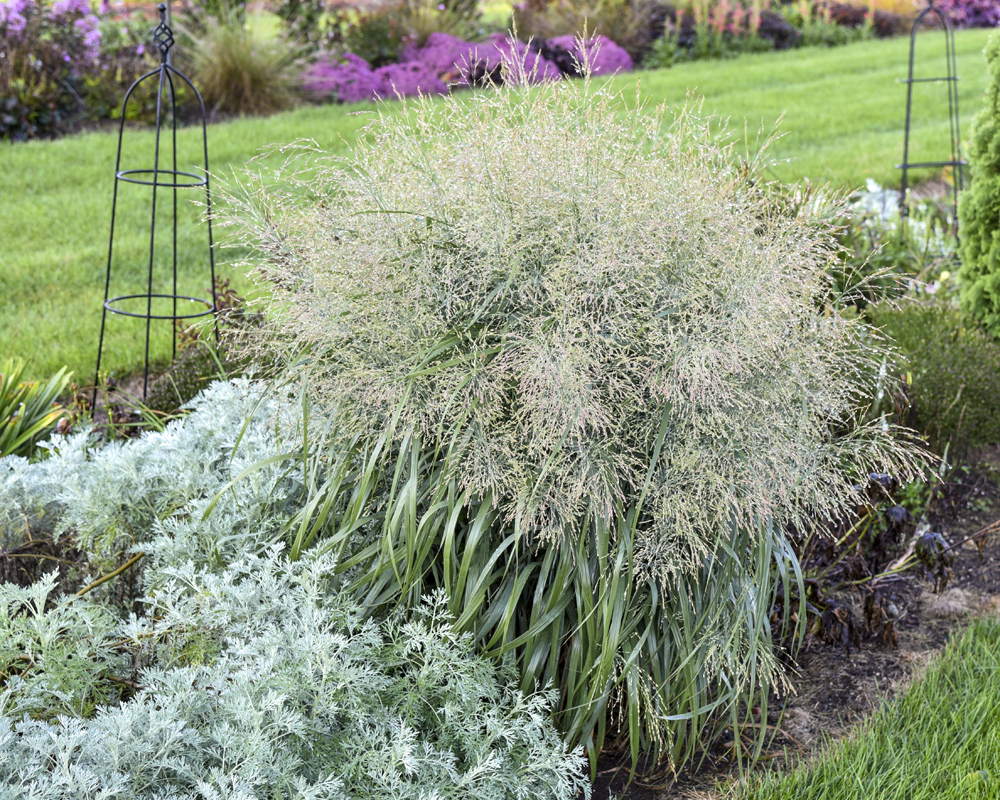
Prairie Winds® ‘Niagara Falls’ Panicum | Switch Grass (Panicum)Switch grass is a common type of native prairie grass that forms dense clumps of foliage topped with wispy seed panicles from fall into winter. Each plant produces thousands of tiny seeds that small birds enjoy. When you leave these grasses standing through the winter, they turn a light parchment color that helps disguise birds that are hiding among them. Our best-selling switch grass, 'Cheyenne Sky', is just as durable as the native species but adds dramatic scarlet red color to the mix beginning in early summer and turning all-red in fall. 'Niagara Falls' switch grass is especially full and floriferous, providing both shelter and food for birds from summer through winter. All of our switch grass cultivars are hardy in zones 4 through 9 and need full sun to grow well. They are drought tolerant once established but can also thrive in moist soil. |
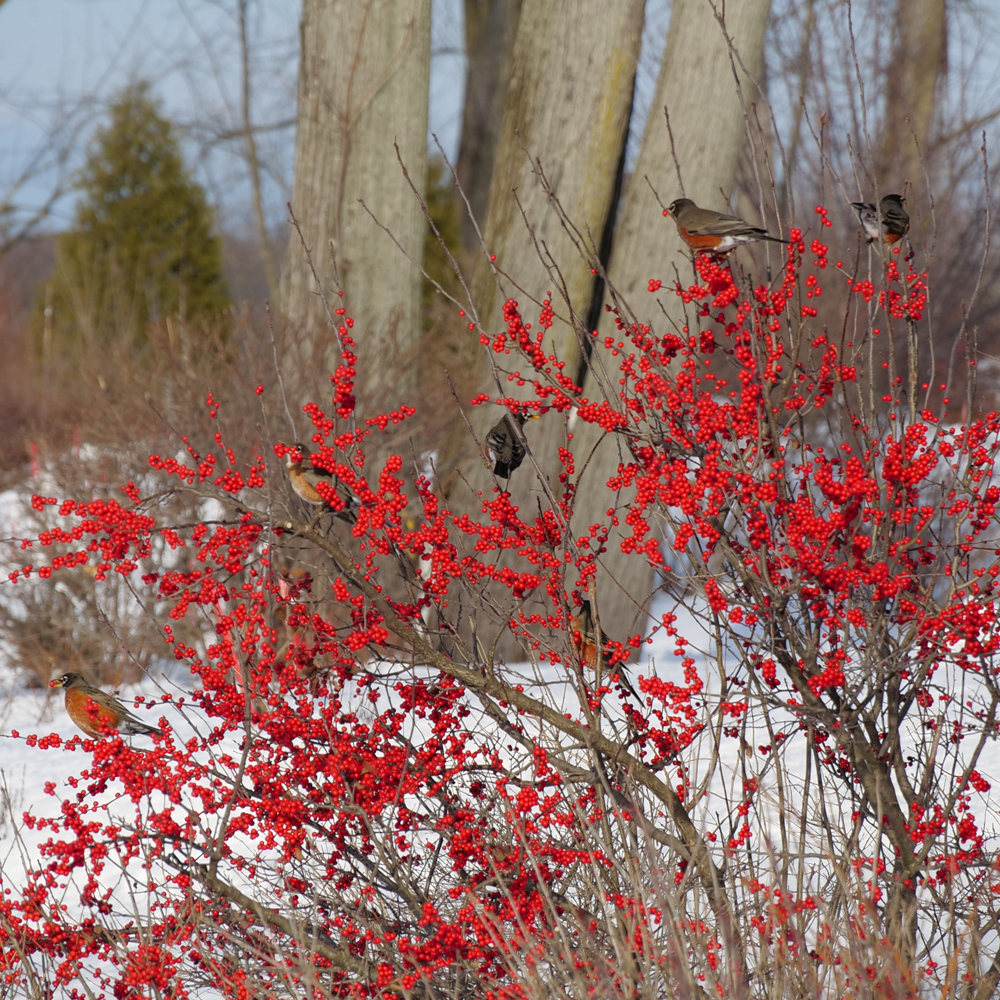
Berry Poppins® winterberry holly | Winterberry Holly (Ilex verticillata)Songbirds will flock to your garden to gorge on winterberries once they've ripened, which can be anywhere from early winter to late winter depending on where you live. By providing a winter food source, you'll encourage birds to make your garden home year-round. Native winterberry holly cultivars support fruit-eating birds like robins, catbirds, bluebirds and waxwings, to name a few. Winterberry holly thrives in wet to consistently moist, preferably acidic soils. You'll find the native species growing at the edges of bogs and in low areas along roadsides. It blooms and fruits best in full sun, but also will grow in part sun. Winterberry grows across North America in zones 3-9. |
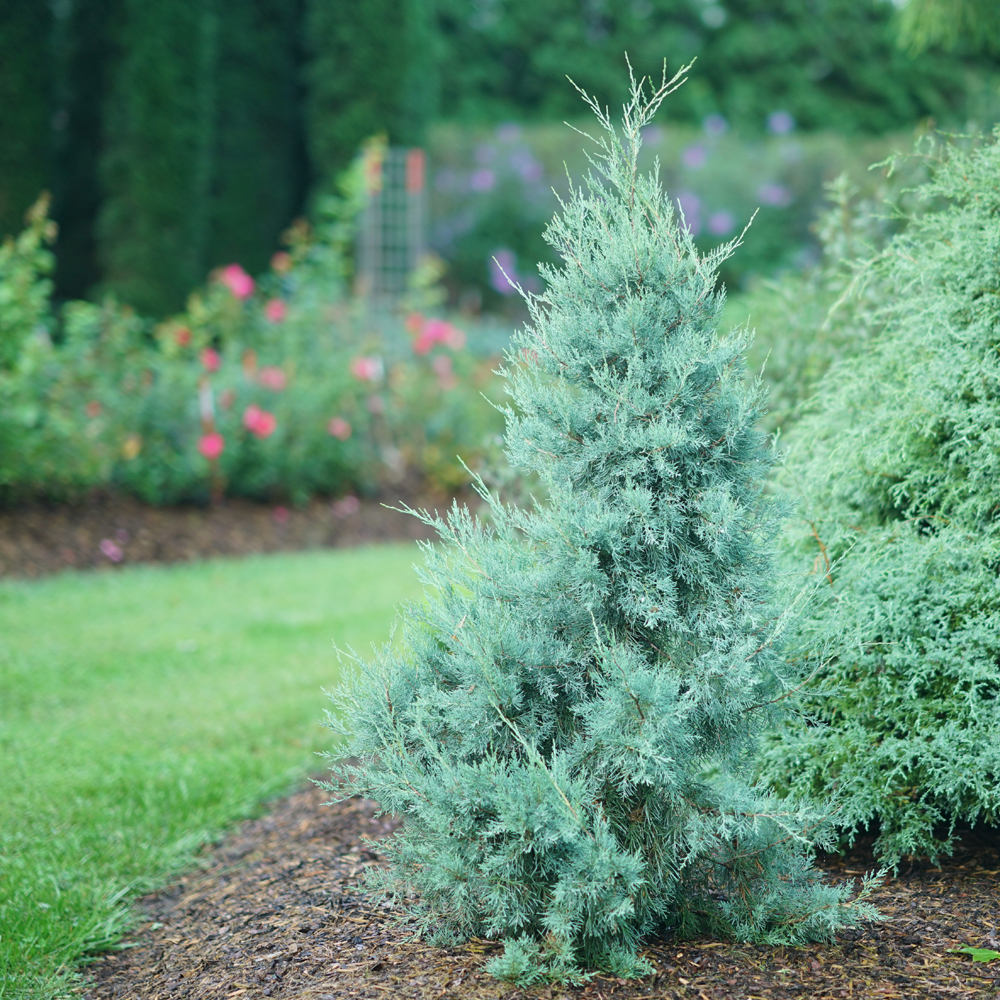
Aquavita® Eastern Juniper | Eastern Juniper (Juniperus virginiana)There are many different kinds of evergreen junipers, some of which are native to the U.S. One such native cultivar is the upright pyramidal Eastern juniper named Aquavita®. You’ll know it by its striking aqua-blue foliage that keeps its bright color through the winter. Large, pyramidal junipers like this provide year-round shelter and protection for birds from wind, snow and rain. They also enjoy snacking on Aquavita’s silvery blue berries throughout the year. This is a very durable landscape plant that can handle sun, wind, drought and deer pressure. It brings structure and color to the garden where it can be planted en masse as a screen or hedge or grown singly as a focal point. It does not require pruning to keep its graceful pyramidal form. Hardy in zones 4-9, full sun, grows 10-15’ tall and 3-4’ wide. |
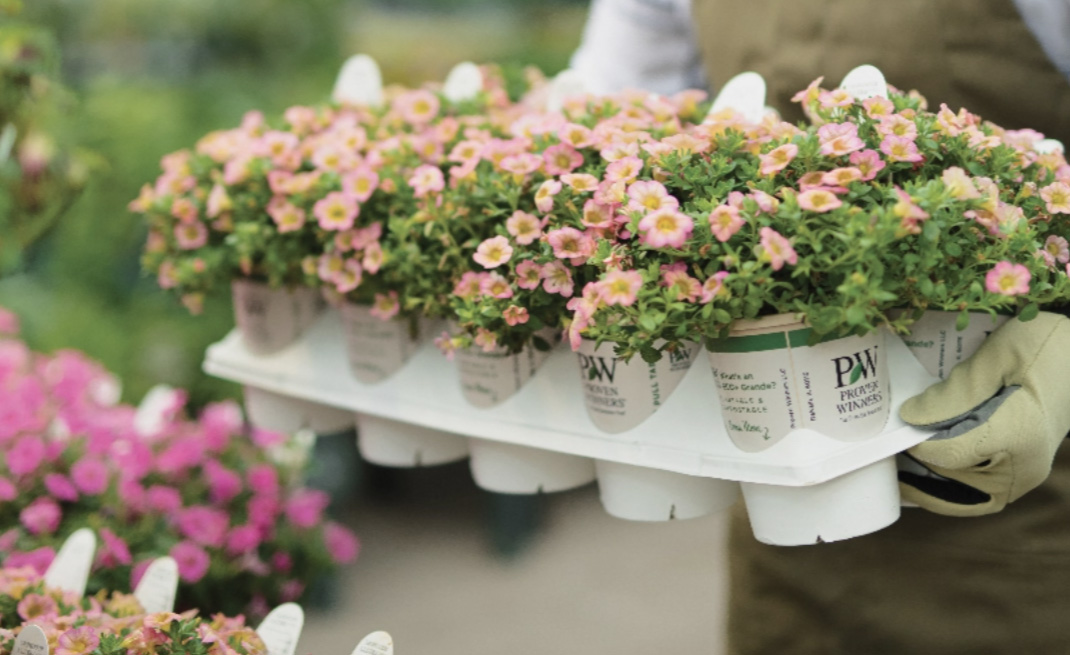
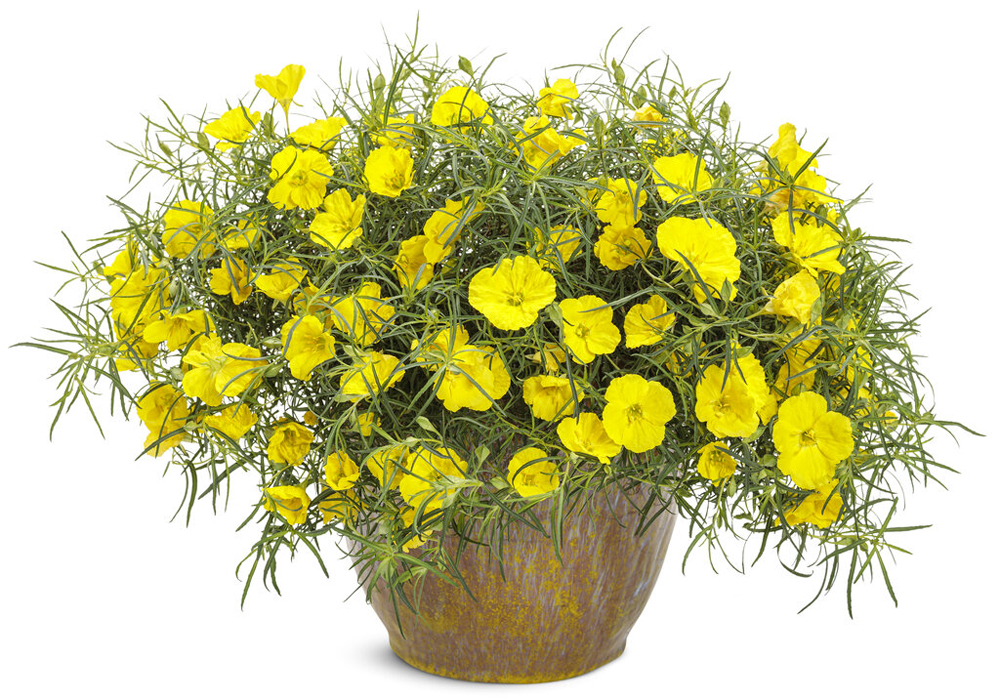
| Texas Primrose (Oenothera)Nectar-rich Texas primrose blossoms are a delight for hummingbirds, butterflies and pollinating bees as they bloom continuously from spring through fall. The plant's wispy foliage isn't meaty enough for deer, so they typically pass it on by. A versatile plant, it grows beautifully in the landscape as well as in hanging baskets, window boxes and upright containers. Even in the hottest climates, this cultivar of a Southwest U.S. native thrives in sun, heat and drought, and needs well-drained soil to grow well. Though it is commonly grown as an annual, expect it to survive the winter in zones 8 through 10.
|
Learn more about gardening for hummingbirds:
- Learn more about native plants
- Find red flowers to attract hummingbirds on this Idea Board
- Browse our native plants on Pinterest
Stay up to date with Proven Winners on Facebook, Instagram, Pinterest, YouTube and Twitter.
Patent Information: Prairie Winds® 'Cheyenne Sky' Panicum virgatum USPP23209; Prairie Winds® 'Niagara Falls' Panicum virgatum USPPAF CanPBRAF; Berry Poppins® Ilex verticillata USPP25835 Can 5286; Mr. Poppins® Ilex verticillata USPP25834 Can 5287; Aquavita™ Juniperus virginiana USPP33287; Ladybird® Sunglow Calylophus USPP34148 CanPBRAF