





Outdoor to Indoor: How-To Overwinter Tender Plants
As the first frost approaches, it’s time to protect your favorite summer greenery from the biting cold. Mastering the art of overwintering tender plants allows you to save your investment and enjoy your favorite specimens year after year. The process of bringing plants indoors requires more than just a change of scenery; it involves a careful transition to help them adapt to lower light and humidity levels. From adjusting your indoor plant care routine to finding the perfect spot for tropical plant winter storage, a few proactive steps can prevent shock. Whether you are dealing with large hibiscus or smaller overwintering potted plants, this guide will ensure your garden survives the big move and thrives until spring returns.
| Some of our favorite plants we grow as annuals outdoors can be brought indoors at the end of the season and overwintered successfully there. Some plants can be kept actively growing, while others will be in more of a resting state. Here’s a page filled with ideas about bringing plants indoors for winter. Some of our favorite plants we grow as annuals outdoors can be brought indoors at the end of the season and overwintered successfully there. Some plants can be kept actively growing, while others will be in more of a resting state. Here’s a page filled with ideas about bringing plants indoors for winter. |
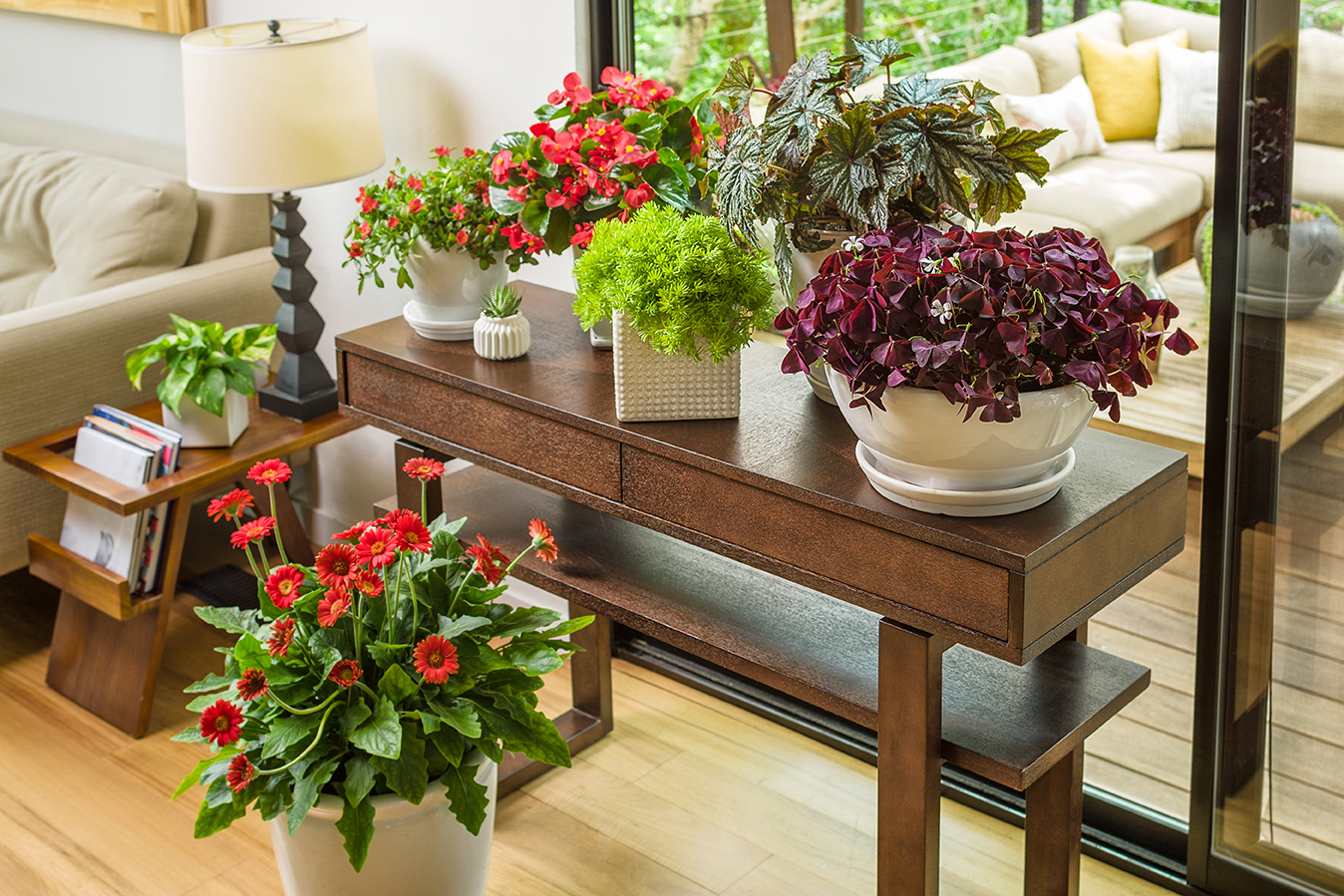
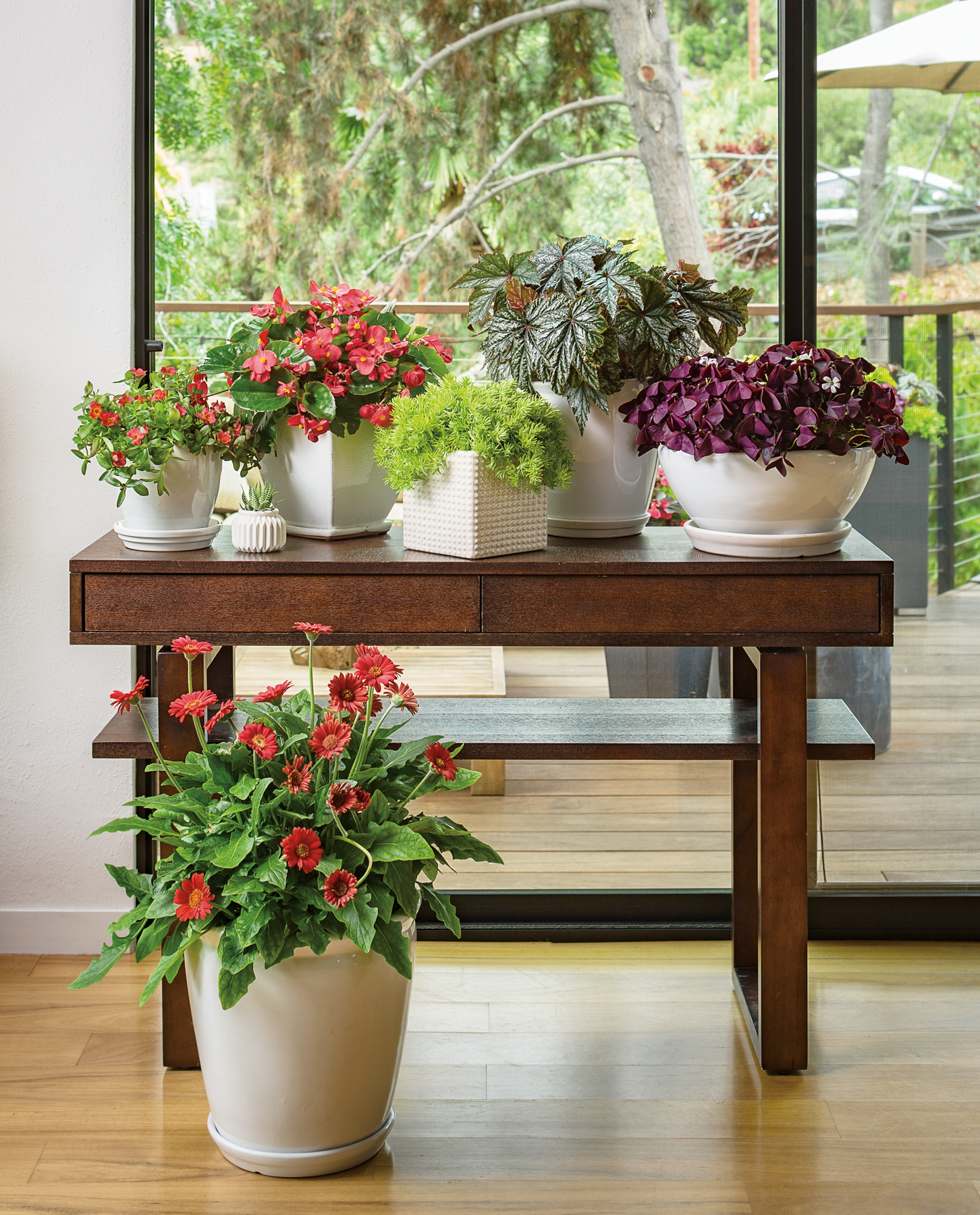 | Step 1: Round Up Your PlantsGather up the plants you’ll be bringing indoors for winter. Maybe you’ve been growing them in patio pots or in your garden beds. Try to save as many of the roots as possible in the gathering process. Select only healthy plants for overwintering. You don’t want to risk bringing diseased plants indoors. Step 2: Groom, Prune and Check for InsectsBefore you repot your plants, inspect the foliage, flowers and soil carefully for signs of insects or disease. Tiny insects like aphids and spider mites can be tough to spot. Remove anything that looks suspicious. If you are concerned that there may be insect eggs in the soil, it’s a good idea to wash the roots using a gentle stream from a hose. Next, prune back the foliage and flowers by about one third and remove any branches that look scraggly. Pruning will encourage them to put on new fresh growth when they resume growth indoors.Step 3: Wash with Insecticidal SoapTo be certain nothing harmful is going to move indoors with your plants, it’s a good idea to wash them down with insecticidal soap before bringing them inside. Follow the package instructions and spray the entire plant and soil surface. There are several organic products available for this purpose, or you can make your own using simple household ingredients. Step 4: Repot the PlantEven if the plants you choose are already growing in containers, you’ll need to repot them. Using freshly sterilized potting mix will help to prevent the transfer of insects and diseases indoors. A good quality growing mix like Proven Winners Premium All-Purpose Potting Soil will be suitable for most plants. However, if you are repotting succulents, you’ll want to use a growing mix specially formulated for cactus-like plants. Step 5: Water Your Newly Repotted PlantsBefore bringing your newly repotted plants indoors, water them thoroughly until you see water coming out of the drainage holes in the bottom of the pot. Let them drain completely before moving them inside. During the winter, you’ll need to water your plants weekly or whenever the top inch of soil feels dry to the touch. Step 6: Bring Them IndoorsFind a bright spot near a window to set your newly repotted plants, then set them down on a saucer or drip pan to protect your household surfaces. Since daylength and sunlight intensity is decreased in winter, even plants that prefer shade outdoors will need brighter light indoors. Use grow lights if necessary. If you have a humidifier on your furnace, turn it up so your plants won’t dry out or set them in a tray of shallow water with pebbles to increase the humidity around the plants. Step 7: Enjoy!Enjoy the beauty of your plants indoors all winter long. Once nighttime temperatures are consistently above 55°F in spring, it will be safe to move them outdoors once again. |