




The Gardener’s Wellness Collective

Your Garden Can Be Your
Most Powerful Wellness Tool
Gardening is more than just a hobby—it’s an investment in your physical and mental health. Science confirms what we feel instinctively, digging in the soil and breathing fresh air isn't just aesthetic; it's physiological. The Gardener’s Wellness Collective by Proven Winners is your gateway to a life well-lived. We celebrate the powerful reciprocity of nature—where every seed you plant grows a stronger, healthier you.
TOP 10 BENEFITS of GARDENING, FLOWERS, and NATURE
1. Stress & Cortisol RegulationSpending time in green spaces does more than just relax the mind; it fundamentally resets our physiology. Chronic stress often keeps the body in a restrictive "survival mode," but the garden offers an immediate exit. According to studies published by the National Institutes of Health (NIH), just 20 to 30 minutes in nature is enough to drop cortisol levels significantly. This reduction in the stress hormone allows the brain to transition into a "growth mode," providing a proven path toward reducing tension and long-term anxiety. 2. Movement with PurposeUnlike the repetitive motions of a traditional gym, gardening offers a diverse, full-body workout rooted in functional movement. Harvard Health describes gardening as "exercise with a purpose," noting that the act of digging, raking, and carrying pots involves essential movements—such as squatting, lunging, and lifting—that keep the body agile. These tasks engage the core, improve flexibility, and build cardiovascular endurance through natural, varied movements that support long-term physical health. 3. Natural Immune SupportThe soil is a living ecosystem that actually strengthens our internal defenses, providing a unique biological "grounding" effect. Research cited by Missouri Extension highlights the presence of Mycobacterium vaccae, a friendly bacterium found in healthy soil. Exposure to this natural microbe has been linked to increased serotonin production and a more robust immune response. By getting our hands in the earth, we are participating in an ancient relationship that helps the body fight off illness and maintain balance. 4. Healing the "Digital Brain"]Modern life often leads to "directed attention fatigue" caused by constant screen time and urban noise. Nature provides the only environment where the brain can truly recover its ability to focus. According to the Journal of Environmental Psychology, looking at flowers or natural landscapes allows the mind to engage in "soft fascination." This psychological state, confirmed by 2026 brain-imaging studies, quietens mental clutter and restores the cognitive resources needed for deep concentration and clarity. 5. Vitamin D & Bone VitalitySunlight is a biological necessity, and the garden is the most effective place to harvest it. This natural exposure is the primary way our bodies synthesize Vitamin D, which Columbia University Community Health identifies as a cornerstone of bone health and immune function. Beyond the physical benefits, this process is essential for regulating mood and maintaining the hormonal balance required to stave off seasonal affective disorders.
| 6. Relief from AnxietyThe visual connection to plants has a documented calming effect that is now being utilized in modern medicine to speed up both physical and emotional recovery. A landmark study published in Science (The Ulrich Study) revealed that patients with a view of nature required fewer doses of pain medication and had shorter hospital stays. This undeniable connection between nature and wellness is why world-class institutions like the Mayo Clinic and Cedars-Sinai now prioritize wellness gardens to provide relief for patients and their families. 7. Restorative SleepQuality sleep is often a reflection of our connection to natural light and physical exertion. Data from the Journal of Affective Disorders involving over 62,000 adults found that gardeners have 42% lower odds of experiencing insomnia compared to non-exercisers. The combination of fresh air and natural light exposure helps regulate the body's circadian rhythm, signaling exactly when it is time to rest and leading to a deeper, more restorative sleep than indoor exercise alone. 8. Cultivating Self-EsteemNurturing a living thing provides a psychological boost by flipping the social dynamic from being a "receiver of care" to a "nurturer." This shift restores a sense of dignity, utility, and personal agency. A global meta-analysis in Preventive Medicine Reports found that gardening significantly increases "horticultural self-efficacy"—the belief in one’s innate ability to achieve goals. This sense of accomplishment is a universal human response that shifts the mindset from "things happen to me" to "I can make things happen." 9. Social Connection & BelongingIsolation is a significant hurdle in modern wellness, but gardens act as a "common ground" that bridges social gaps. According to the American Horticultural Therapy Association, community gardens and plant-sharing groups reduce isolation and foster a vital sense of belonging. These spaces provide a support network where people can connect over a shared purpose, building local resilience and improving both individual and neighborhood well-being. 10. Earth-to-Table: The Nutrition LinkThere is a powerful psychological and physical shift in how we eat when we are involved in the growing process. Harvard Health confirms that people who garden are statistically more likely to consume the recommended daily intake of fruits and vegetables. By cultivating your own produce, you develop a deeper "food literacy" and a direct, rewarding link to a more vibrant and nutritious diet. |
|


EXPAND YOUR KNOWLEDGE: The GARDENER'S LIBRARY
For those looking to dig deeper into the science and soul of the natural world, here are the essential reads curated by our team.
1. 150 Gardens You Need To Visit Before You Die — Stefanie Waldek (2022) This global guide showcases 150 extraordinary botanical masterpieces. From historic estates to modern oases, it explores diverse landscapes, unique plant collections, and the artistry of visionary garden design worldwide. |
Celestine Maddy explores the beauty of the outdoors through a seasonal lens. This manual provides practical advice on gardening, foraging, and DIY projects, encouraging a deeper, intentional connection with nature. |


3. Braiding Sweetgrass — Robin Wall Kimmerer (2013) Indigenous Wisdom, Scientific Knowledge, and the Teachings of Plants. A beautiful bridge between scientific mastery and ancestral knowledge, this book teaches us how to listen to the plants that surround us. |
A fascinating academic look at how our relationship with nature has evolved in the digital age and why we need the earth more than ever. |


5. How to Read Nature: Awaken Your Senses to the Outdoors You've Never Noticed (Natural Navigation) — Tristan Gooley (2014) Tristan Gooley teaches readers to decode nature’s subtle signs, from wind patterns to plant behavior. By engaging the senses, this guide unlocks a deeper, more intuitive connection to the outdoors. |
Enrique Salmón maps the profound kinship between Indigenous cultures and North American flora. This guide bridges ancestral wisdom with modern science, detailing how plants shape medicine, food, and spiritual ceremony. |


7. Nature and Therapy — Martin Jordan (2014) Understanding Counselling and Psychotherapy in Outdoor Spaces. An essential read for understanding how professionals are moving the therapist's "couch" into the garden to promote deeper healing. |
This classic explores how to transform your backyard into a sacred space for meditation, reflection, and spiritual healing. |


9. Skogluft: Norwegian Secrets for Bringing Natural Air and Light Into Your Home and Office to Dramatically Improve Health and Happiness — Elisabeth Carlsson (2018) Viumdal reveals the "Skogluft" method, a Norwegian system for indoor wellness. By mimicking the forest floor with specific plants and light, this guide transforms interiors to enhance health and productivity. |
10. The Signature of All Things: A Novel — Elizabeth Gilbert (2013) Celestine Maddy explores the beauty of the outdoors through a seasonal lens. This manual provides practical advice on gardening, foraging, and DIY projects, encouraging a deeper, intentional connection with nature. |


11. The Well-Gardened Mind — Sue Stuart-Smith (2020) The Restorative Power of Nature. Written by a psychiatrist and avid gardener, this is the definitive look at how gardening can help us manage the anxieties of the modern world. |
David Allen Sibley decodes avian biology through vivid illustrations, explaining the hidden mechanics of flight, nesting, and song. This accessible guide offers a witty, fascinating look into birds’ daily lives. |


DESTINATIONS to EMBRACE PLANTS & WELLNESS
Beyond your own backyard, the world is full of spaces designed specifically for restoration and connection. If you aren’t sure where to start, major organizations like the American Public Gardens Association and the American Horticultural Society maintain national directories of nearly 600 public gardens. The following destinations are notable examples of these public spaces, each offering unique opportunities to experience the wellness benefits of the natural world:
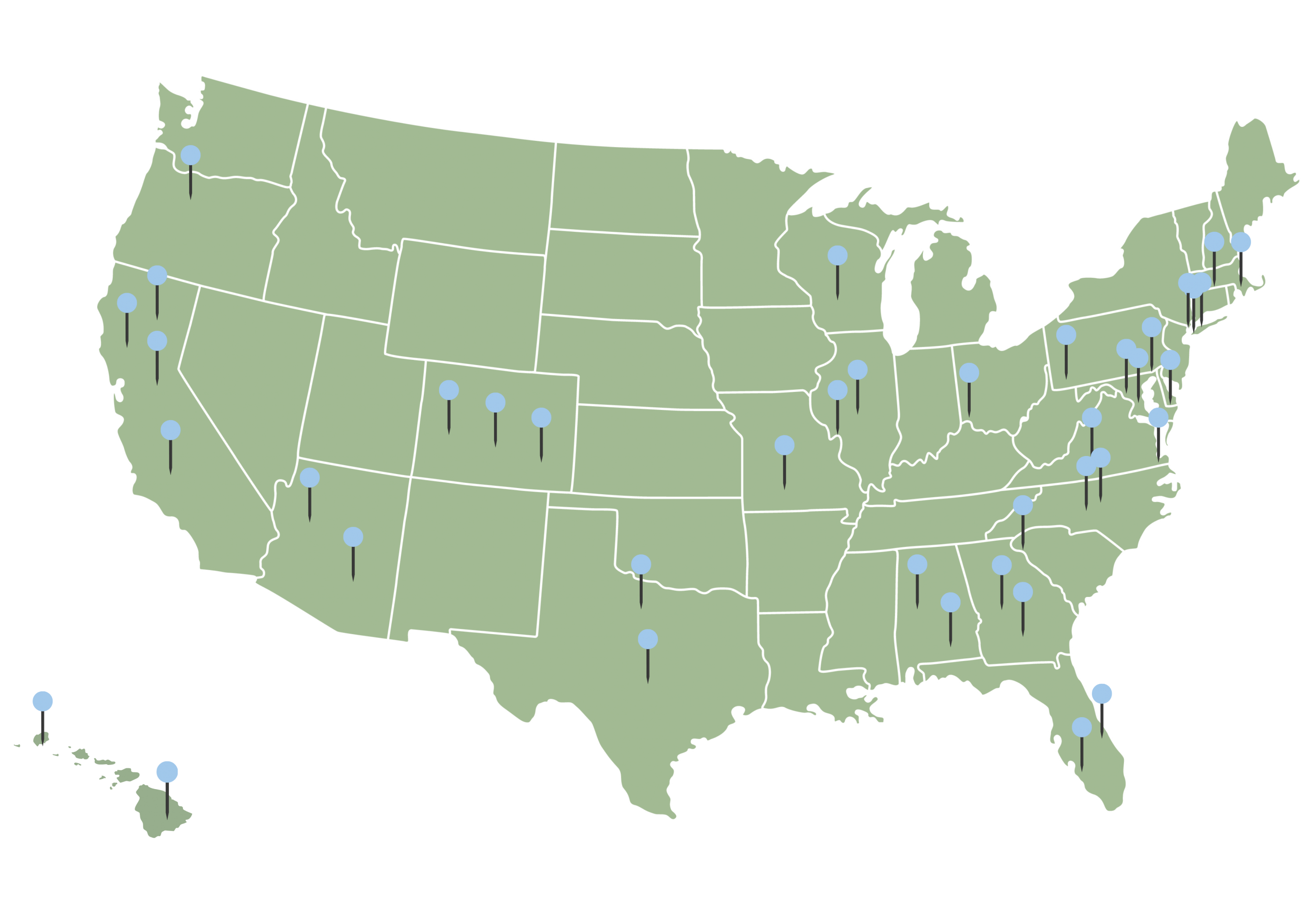
Alabama
| Missouri
|

Related Articles and Resources